Why fulvic acid is fundamental to health

If you’ve ever had a garden, you know your success depends a lot more on your soil than on your seed packet. Yes, if the seeds are bad, they won’t grow. But even with good strong seeds, if your soil has the consistency of rock or beach sand you won’t get anything from them. You need rich soil with plenty of nutrients for a beautiful garden.

The same concept can be applied to the human body.

Poor nutrition, chemical exposure, stress, and other factors weaken an individual’s internal ecosystem, changing how the microbes that are naturally present in the body function. Food isn’t digested and nutrients aren’t able to nourish the body. Disease is the result.

Ayurvedic medicine has traditionally used Shilajit, a resin-like substance found in rocks in the Himalayas, for building and maintaining athletic performance and mental acuity. It is an adaptogen especially helpful for chronic conditions, increasing the body’s resistance to various diseases. These benefits are attributed to high fulvic and humic acid content. But its rock source is often contaminated with heavy metals, and doesn’t absorb well. Dosing is often inconsistent based on different sources: every rock is a little bit different.

So how do we tap into the benefits without the risks?

Fulvic Acid is also found in plants such as radishes and seaweeds grown in sediments or sediment rich waters. It is anti-inflammatory as well as supportive of memory and the immune response. It is a powerful shield against the aging process.

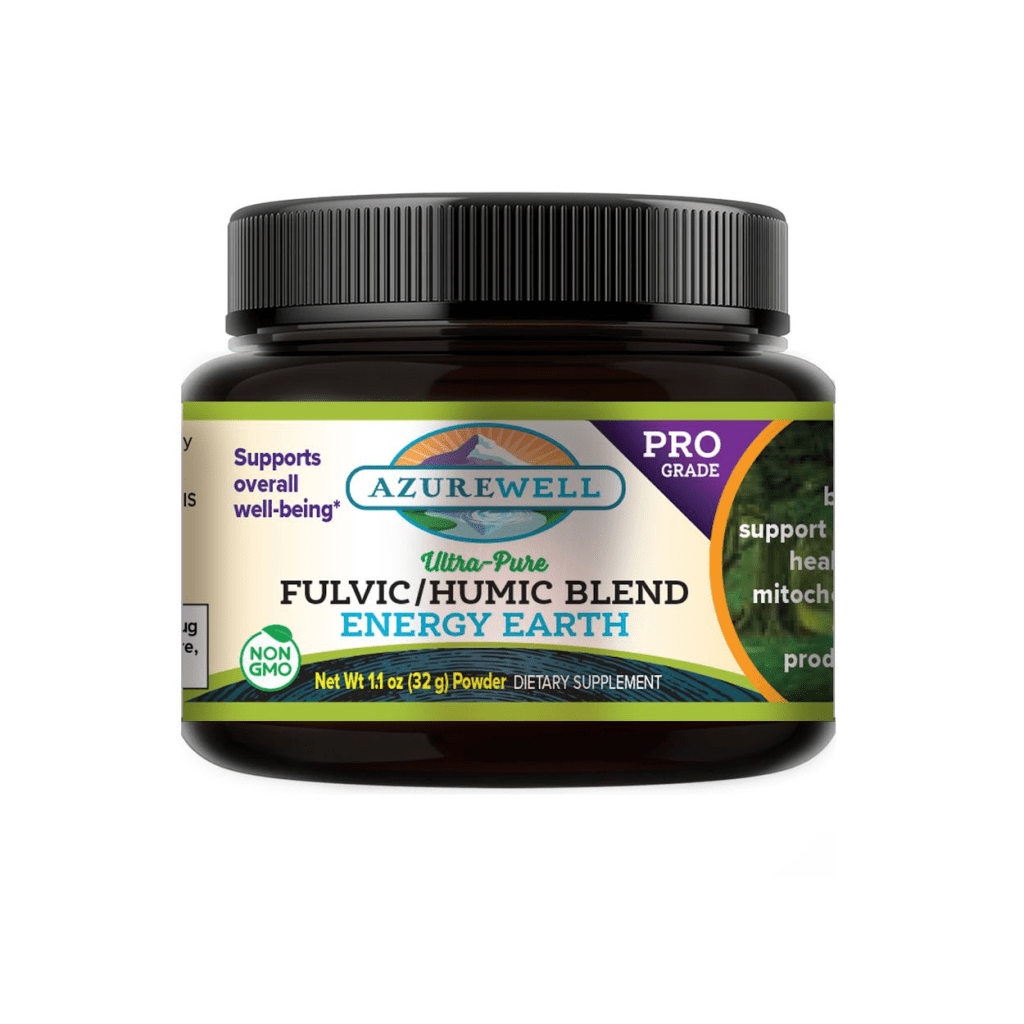
Humic acid is a complex molecule formed from the breakdown of plant and animal matter. It is the work of micro-organisms and part of the magic behind compost in the garden. Humic acid governs the nutrient and mineral absorption process in plants, animals, and even humans. It aids in detoxification, balances the body’s pH levels and facilitates the transportation of essential nutrients into cells. 

The blend of both of them combines the best of ancient Shilajit without the risks of heavy metals or inconsistent composition.

Why is this important?

Minerals and water are required for carrying nutrients as well as the transmission of nerve impulses that drive healing. If you are utilizing any sort of frequency medicine such as magnets, sound therapy, homeopathy or phototherapy, proper hydration is essential to carry those frequencies to every cell of the body and speed healing on a deep level.

Fulvic and humic acid act as soil conditioners to amend the terrain of your body so that it is conducive to health and resistant to disease. Together with pure water and organic foods, your body will begin to shine with vibrant health. The biggest difference between our generation and our grandparents’ is the quality of food. When most people grew much of their own food, fulvic and humic acids were in and on the produce. Now that commercial farming is the norm, they are not in most of the foods where they should be. We need to add it in. And remember, supplements are just that – something that comes alongside an otherwise healthy diet to promote vibrant health.

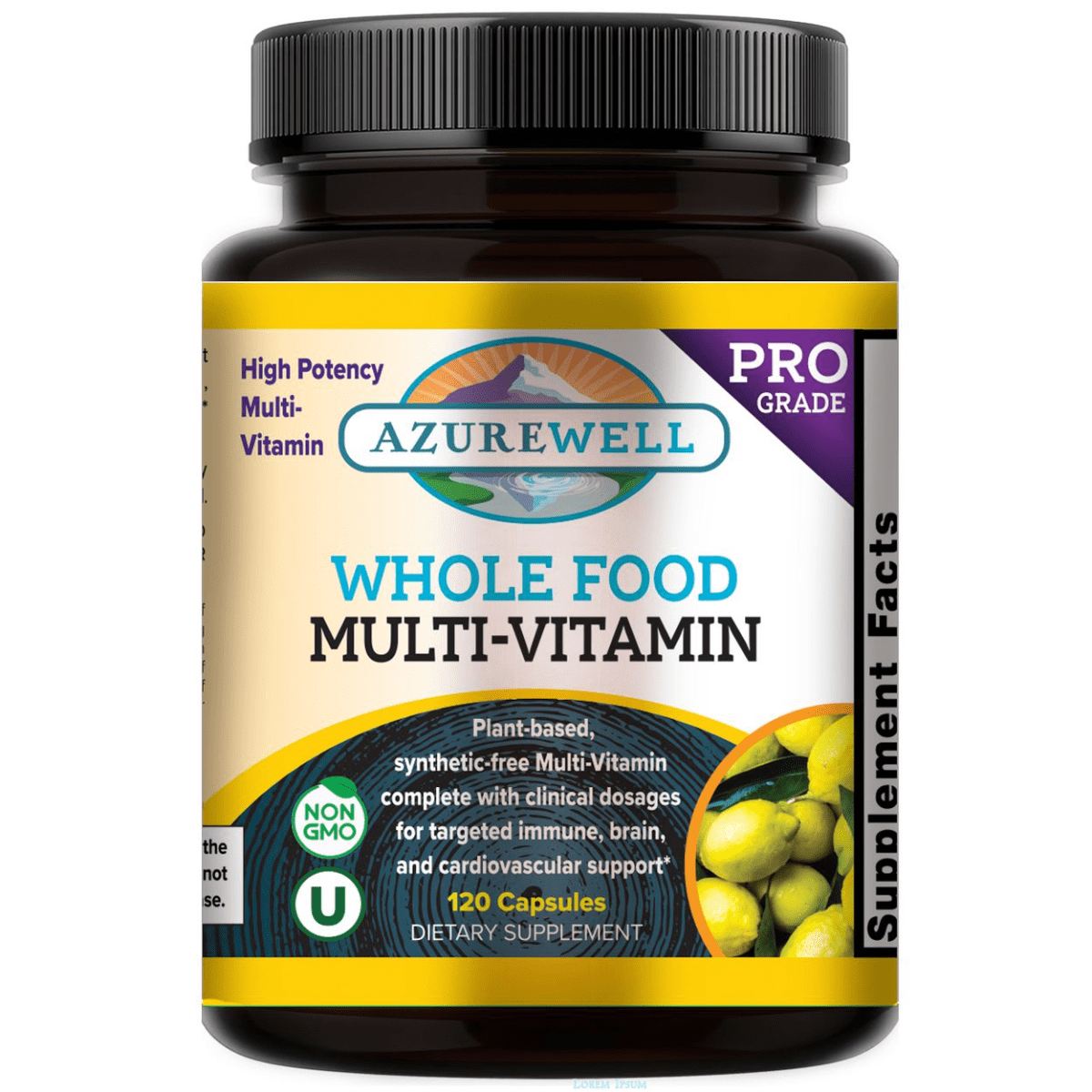
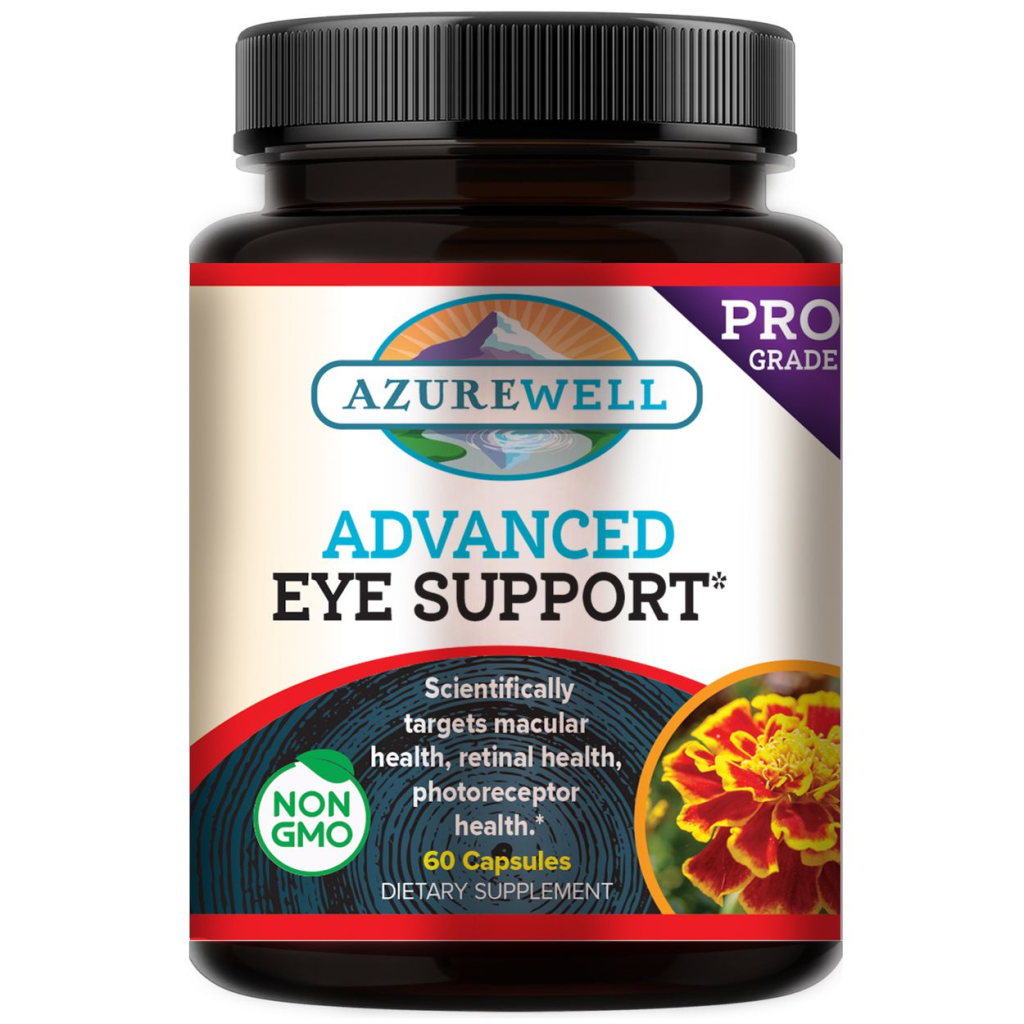
I recommend AzureWell supplements in my practice, as they align with my standards for safety and effectiveness at a reasonable price. Click on the picture to purchase – and use the promo code BEND10 for 10% off your first TWO purchases!

If you would like more information, or to connect with me for your health needs, go to https://www.brendaelvingnd.com/

Natural Light Therapy Patches: My Health Transformation

I thought I looked great on Easter morning. Until I took the second photo – 15 weeks later. I’ve always taken care of my health through nutrition, hydration, rest and exercise, but years and tears still caught up to me.

So when a colleague called to share results she was seeing from a new product I was intrigued. She is much more techie than me, so most of what she does doesn’t translate well into my practice. But she gets results, so I tried the little bandaid-like patches. I very quickly noticed better energy and focus during the day, with more restful sleep at night. I opened my own account.

My hair is noticeably thickening and my fingernails are growing strong and long again. I no longer wake at night with indigestion, unable to go back to sleep. If I wake, I take a sip of water and fall right back to sleep. I feel great every day.

According to the research I’ve been reading, these patches utilize a form of light therapy, similar to when you go into the sun and your body generates Vitamin D. Your body generates light naturally, and the patches reflect a specific wavelength of that light back into your body, which triggers an increase in production of copper peptides. Copper peptides are a major part of the natural healing process in your body. There are no chemicals or substances to absorb.

I don’t want to imply that these patches, worn 12 hours on/12 hours off, are the solution to everything. They are not. You still need proper food, water, sleep and movement to fuel basic health. With everything in place and balanced, you will begin to see and feel better health.

For more information, check out my website: https://www.brendaelvingnd.com/

Supplements: what’s the big deal?

If you’re looking for supplements, it’s crucial to choose ones made from whole foods without harmful additives. I recommend AzureWell’s products for their purity and real food ingredients. They undergo thorough testing, adhere to FDA regulations, and are free from harmful substances. You can use the code BEND10 for 10% off your first two orders.

A big part of my practice is nutrition, which includes supplements. Do you need supplements? Which ones? How do you know what’s right for your body, and what makes one supplement superior to another?

The best supplements are made from whole foods, compressed in such a way as to preserve the nutrition held in the plant without taking out anything that makes it nutritious. This isn’t as easy as it sounds. Often, the most expedient method to turn a plant into a supplement involves harsh chemicals, toxic solvents, and questionable stabilizers.

I cannot, in good conscience, recommend anything that doesn’t work or that I must detoxify back out. If it cannot be absorbed by the body or causes an imbalance of something else, it’s useless for my purposes. I want to provide your body with what it needs so that it can heal and thrive as soon as possible. I’m also acutely aware that what you cannot afford you’ll never take.

I use a lot of different products for targeted results. But I also like to have something that I can recommend for general wellness. These are products that become part of my personal daily routine. Late last year, I found a new product line that fit that bill beautifully. Meet AzureWell. They have products that nourish the body with real foods, devoid of harmful excipients.

But what excited about this brand was what’s not in it. Because I work with homeopathy, I must be aware of anything that might put an obstacle in the way of your healing. Obstacles include drugs, certain essential oils, and additives or excipients.

Excipients are substances, other ingredients, in products that some suppliers or manufacturers use to serve various purposes, such as stabilizing formulations, aiding absorption, or enhancing appearance and taste. Excipients are often overlooked and can significantly impact a product’s function, its absorption rate, and its overall effectiveness. Often times, questionable excipients are used to cut costs and expedite production. They can also cause static in the lines of communication in your body, which confounds energy transfer and proper healing. This is very important to acupuncturists and homeopaths.

AzureWell’s commitment to purity ranges across all their products, including skincare essentials, botanicals, and wellness items. AzureWell’s supplements undergo comprehensive testing, ensuring botanical identities and the absence of herbicides, pesticides, and other contaminants. They strictly adhere to FDA regulations and rigorously test for potential contaminants, such as heavy metals and residual solvents. They also steer clear of GMOs, radiation sterilization, and additives like magnesium stearate.

I am deeply committed to your health and well-being. When you choose AzureWell, you’re investing in your health and well-being. But another perk to this professional grade line of supplements is that it comes from Azure Standard, which means that you can one-stop-shop for all your organic foods and products.

If you’d like to see the difference the right product can make, use the Promo Code BEND10 to receive an extra 10% off your first TWO orders. That tells them I sent you!

This is my current favorite!

Do I need supplements? Vitamin B12

My daughter woke up one morning more exhausted than when she went to bed. She had no motivation, no light in her eyes, no color in her skin. She looked anemic, but I couldn’t figure why. She eats a varied diet and takes a green supplement daily. I couldn’t find anything wrong. I took her to my mentor. The best thing about having an experienced doctor/mentor is that the problem gets fixed and I get to learn. That’s an efficient appointment.

She was low on Vitamin B-12. A major component of many energy drinks, B-12 promotes energy production. Although often thought of as a nutrient that only vegetarians need to be concerned with, more doctors are finding deficiencies in people who eat meat. What’s up?

Absorption is key

 I soon found out that the iron my daughter in my daughter’s dinner steak was not being absorbed. Vitamin B-12 works together with folic acid to make red blood cells, which carry iron. If one or the other is lacking, there either aren’t enough blood cells to carry iron, or they develop in poor shapes which cannot carry the large iron molecule. Oxygen binds to the iron and is carried to all the cells. Without iron, oxygen can’t be carried; without oxygen, nothing in the body works. 

It seems simple enough. But why would an otherwise healthy 20 year old, who eats very well and takes her vitamins be anemic? Oatmeal for breakfast, lots of green tea, fruits and vegetables. Some meat at dinner with more veggies. She tends to run alkaline, which is supposed to be good for the body. 

Except that B-12 requires acid to separate it from the protein in which it comes. If stomach acid is insufficient, it may not be separated out during digestion. This can be an issue for the elderly, especially, who tend to have low amounts of hydrochloric acid in their digestive systems. People over 60 are most at risk for developing a B-12 deficiency. My daughter was outside the curve of normal, but had a mild case of megaloblastic anemia. Her symptoms of debilitating fatigue were just the beginning. It could’ve been worse. 

The neurologic symptoms of vitamin B12 deficiency include numbness and tingling of the hands and, more commonly, the feet; difficulty walking; memory loss; disorientation; and dementia with or without mood changes…. Tongue soreness, appetite loss, and constipation have also been associated with vitamin B12 deficiency. The origins of these symptoms are unclear, but they may be related to the stomach inflammation underlying some cases of vitamin B12 deficiency and to the progressive destruction of the lining of the stomach.  – Linus Pauling Institute

So, do I need this?

Vitamin B-12 deficiency is becoming more common. Studies of autoimmune diseases such as Hashimoto’s thyroiditis, are showing that many of them are related to a B-12 deficiency.  Vitamin B-12 is water soluble, which usually means the nutrient is carried out of the body just as fast as you can take it in. But in this case, the liver has the ability to store B-12 as needed, so you can reverse a deficiency quickly as your stores come up. The Linus Pauling Institute states that vitamin B-12 is not toxic, as it does not build up in the tissues.

The good news for my daughter was that, once I found what she needed, she was back up to normal by the next day. She doesn’t have to remember to take the supplement every day, because now that she’s aware of how her diet impacts how she feels, she is more intentional about what she eats.  And being intentional about what we eat is really how any of us stay healthy.

I proudly use and recommend AzureWell supplements for a whole-food, professional grade adjunct to your personal wellness plan. Type in BEND10 for 10% off your first TWO orders!

“One cannot think well, love well, sleep well, if one has not dined well.”

Virginia Woolf

A Wholistic Approach to Nutrition

(originally published by The Gaeta Institute for Michael Gaeta on December 8, 2022. These are his words.)

Naturopathy, chiropractic, Chinese medicine, Native American healing, Ayurvedic medicine – nearly all ancient or traditional medical systems are based on the principle of wholism. But what is wholism as it applies to nutrition? This is an important question for your practice.

Many years ago, I was practicing nutrition and bodywork therapy and acupuncture and Chinese herbal medicine and at the same time using nutraceutical-type supplements. But the herbs that had worked so well when I was in school weren’t helping in practice. I increased the dosages, re-evaluated, chose new formulas, and did all these things to try to recreate the herbal results that I saw in the school clinic, and nothing worked. It was really frustrating. I eventually discovered a difference between these synthetic, isolated, high-dose chemical supplements and what was available in terms of using whole food supplements. That was an awakening. I knew that giving patients chemicals at the same time as I was recommending a good diet and using plant medicines somehow wasn’t congruent. It didn’t line up. But at the time, I didn’t know there was any other option. As I began using food supplements in my practice, together with the Chinese herbal medicine, there was a dramatic improvement in the results I saw with patients. And another interesting thing: the complaints stopped. Those calls of “I have headaches, my stomach hurts and I have indigestion after I take them and I’m constipated, and..” All the side effects from taking chemical supplements mostly evaporated. Using whole food supplements was the consistent approach to nutrition I was looking for, which actually gave the results I expected.

There must be a shift in our understanding of health. The real questions of health are not questions of reductionism, which is how most clinical nutrition is practiced. The body is seen as a machine with replaceable parts that can be manipulated in various ways. It is essentially a container full of chemicals similar to a beaker in the chemistry lab. You have a particular chemical which is changed by the addition of another chemical. If you add one thing it fizzes, add something else and it turns blue. Add a different chemical and something else will happen. That’s the basic approach to nutrition today. The goal is to identify the disease and combat it. Undesired symptoms are suppressed with chemicals.

But healing is not a matter of chemistry, because a human being is not a lab beaker. Reductionism isolates what’s wrong, and then attacks that wrong thing. The opposite of this reductionist approach is wholism. Wholism supports what’s right. The wholistic approach to nutrition, the wholistic approach to health care in general, is not to diagnose and treat but to promote health, vitality and resiliency in the person. So we’re increasing what brings life. Wholism sees the body as a garden. The garden needs sunlight and fresh air and good nutrition to grow and to thrive. Wholistic nutrition augments that power that is already designed into the body because life is what heals.

The truly wholistic approach recognizes that the whole is greater than the sum of its parts. Just as the human body is not mechanistic, a food is more than its individual chemicals or components. We cannot improve on what life, or nature, creates. Nutritional integrity is applying the whole food or plant to the whole body, nature first and drugs last. As we approach nutrition and the body in this wholistic, integrated manner, the life and healing inherent in the body will manifest.

For more information about The Gaeta Institute and its programs, click the link below.

Achieving Real Health

Who are you? How do others see you? Do you reflect everything you were created to be?

We’re embarking on the second week of 2019. The ramifications of our resolutions are becoming clear, and making this change permanent is looking to be more difficult than we’d hoped. Resolutions, because they are effecting change, take us out of our comfort zone. But if it were easy, we would not be making progress. But what is the real goal, and what will carry us through the obstacles on our path?

The reason for any lasting change has to be solid. Just fitting into that sexy dress isn’t enough – at the moment of truth, I don’t care about that dress. I care about who I am, and how I am perceived by others. I want people to treat me with respect because of what they see. A person with presence doesn’t deal with the same petty nuisances that others do.

So who are you? How do others see you? I knew a man who stopped to look at himself and the imprint he made on his young daughter. Did he want her growing up with a picture of Dad in her head, looking for a similar foul-mouthed, beer drinking jerk for a husband? He changed overnight and never looked back.

He knew that his image was not how he wanted to be remembered. But more, he cared about who she saw herself to be, how worthy she was, and what her children would become. How often do we stop and wonder how that amazing ancestor we all have would think about us? Are we everything he dreamed we would be? Do we represent his lineage well?

Life is a gift. We did not create ourselves. All we can do is maintain what we have, and maybe do a complete restoration at some point (or points.) Many years ago, my dad gave me an old bicycle. He had picked it up at a garage sale some time back, a few years old but very neglected. He stripped it to its beautiful frame, painted it black, and applied the decals that would’ve been proper when it was new. He polished its chrome rims and fenders, and bought new whitewall tires. That bike was gorgeous, and I received lots of compliments. But it’s been hanging in my shed for a long time now. The decals are chipped, the chain and hubs are dry, and the rims no longer shine. It now shows my neglect more clearly than my dad’s handiwork.

Has putting others’ needs ahead of your own left you forgotten and rusty? It may be time for a resto. But to what? If you were stripped down to the basics of who you should be, what would you build on?

Or do you not know that your body is a temple of the Holy Spirit within you, whom you have from God? You are not your own, for you were bought with a price. So glorify God in your body.  – 1 Corinthians 6:19-20

Scripture says your body is a temple, in which God’s Spirit lives. I picture the supermodel that a company hires to be the faceplate for the brand. God chose you as His faceplate. You are the very image of God. That is buildable.

God is the author of health. If we are reflecting Him properly in the world, we should look like the intricately designed and tuned vessels they are. It’s more than just food and exercise that makes us healthy. Professional, social and spiritual pursuits also impact who we are. Everything we put into our lives should be whole, hearty and life-giving if we are to truly shine with health. Health, like beauty, is a total package, both inside and out.

The image must have integrity.

Once you recognize who you really are, who you were created to be, and how important you are, resolutions become more achievable. Stop and think, at various points in the day, if you are reflecting your design clearly. Is this what a temple of God looks like and accomplishes? Is this how a temple of God stands in the midst of trouble? Is this what a temple of God is used for? The closer you get to ‘yes’ on these questions, the closer you are to real health.

What diet is best for me? or, How to use a Food Journal

What diet is best for me? 

Which supplement should I take?

How do I know which brands are best?

These are such common questions, and very good ones to be asking.  The problem is, there’s no right-and-done answer.  People are complex organisms, and what works for one individual may not work so well for the next.  Bio-individuality explains the differences in individuals as well as the plethora of supplements on the shelves and the number of diet plans that all seem to work for somebody.

How do you find what will actually work for you?

The honest truth is that no one knows but you. 

Your body is unique, and like no one else’s. You have different parents, different eating and stress patterns, different energy levels, different chromosomes from every other person on this planet.  We are all similar, yet each of us is a one-off creation with custom requirements.

The only way to know what your body needs is to test and see what works and what doesn’t.

It’s simple, yet very scientific.  Experiment, observe, and document – the fundamentals of science are the basics of keeping a health journal.  Writing down what you observe – a journal – is key to gaining success in personal health.

Basically, you need to note what you do and how you feel each day until you get a clear picture of what foods cause fatigue or constant cravings for more, and which ones energize you.  It’s important to note the times of everything, even if it’s just morning or evening.  You will begin to see how particular foods impact you.  You can also note exercise and sleep, as foods often affect the quality of both. Moods are very important to watch.  I was in high school when I noticed that I often fought with my mom in the mornings before school, leaving me crying bitterly all the way to school. By the time I arrived at school, I was exhausted and snacking on my lunch, leaving me not enough food to get through the day.  It didn’t take long to isolate a particular breakfast cereal which caused me major mood swings – which combined with a milk sensitivity to ruin my day.  When I ceased having cereal with milk for breakfast, all that drama ceased.

It’s not difficult, and it doesn’t have to be perfect. You’re just looking for patterns.

First thing in the morning, note your baseline: how do you feel before adding food? Fill in the time and whether you’re energetic, motivated, well-rested or feel run over by a truck.  Then have breakfast and note what you had, and how you feel immediately afterward. Are you satisfied? Or are you craving sweets or something else? If there was much time between waking and eating, note the time you ate. One or two hours later, note again the time and how you’re feeling. Are you tired, or still energetic? Grouchy or content? Needing a cup of coffee or a treat?

Repeat this for everything you eat for one week, including the weekend: the time, what you ate, and how you feel, both immediately and several hours later. Put each entry on a new line to make it easier to spot similarities. Figuring out supplements will require you to treat them like a food, isolating different supplements from each other by several hours or alternate days. You will begin to see patterns after several days (maybe sooner!) of how each food or supplement impacts your energy levels and moods, both immediately and over time. Bloating and nasal stuffiness, for instance, often happen hours later or the next day.

As you begin seeing that protein for breakfast leads to a productive day, or a smoothie turns you into a snackaholic, you will learn what works and what doesn’t.  Experiment with new eating patterns.  Pretty soon, you will have a custom-made, workable diet plan that is tailored to your individual needs.

You don’t have to do this forever – just until you find what you’re looking for. The more you track, the better picture you will have. And keep in mind, as your needs change, you may want to repeat this exercise to see why old patterns are no longer working. Fine-tuning is part of staying healthy over the long term.

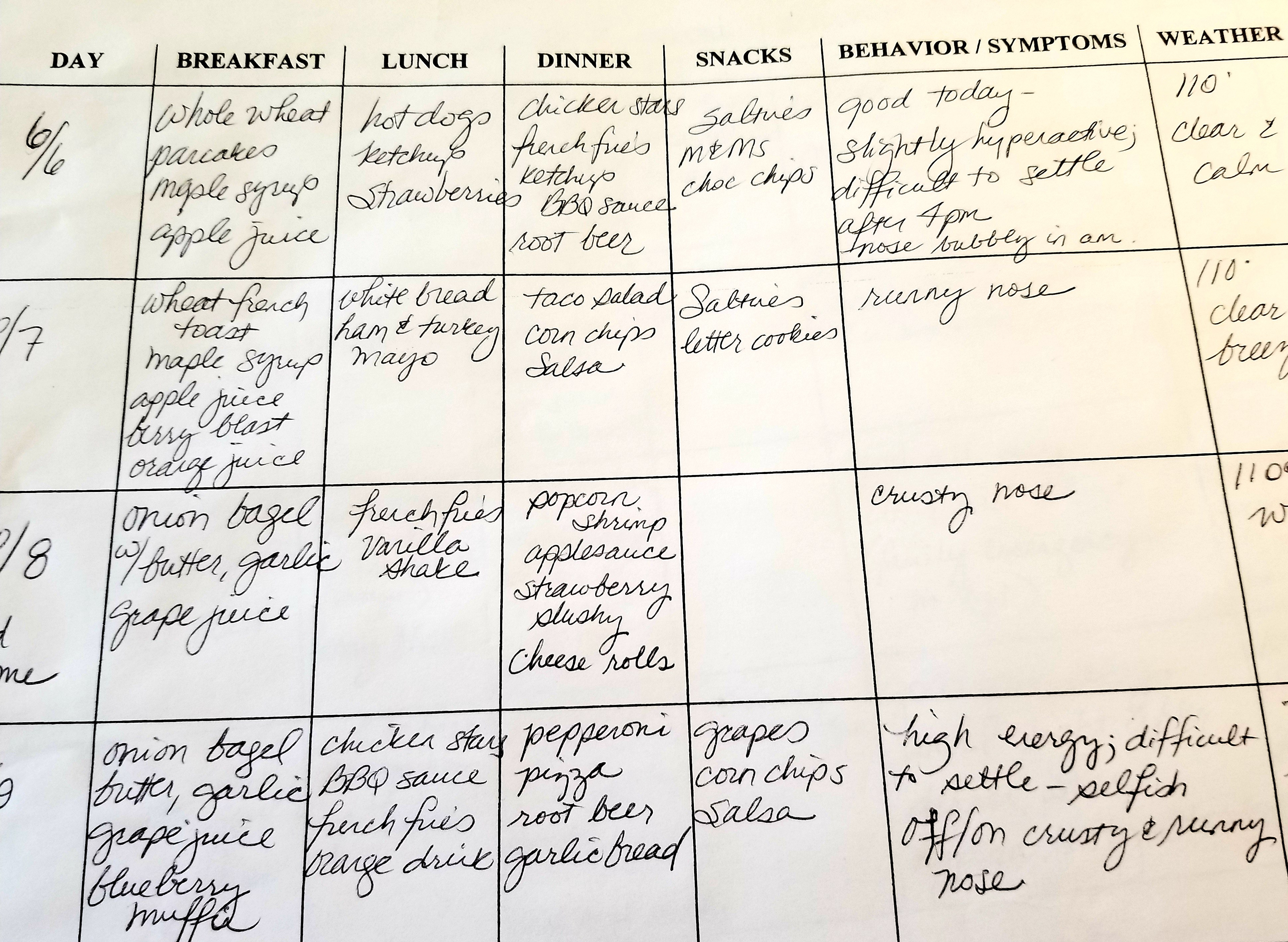
20180616_155437.jpg
The first journal I used for my son. It took years to correlate foods and moods because I didn’t note times of both. It still helped me find intolerances and develop a diet for him.

Let me know if you try this, and what you find!!


I found this post really fun inspiration for watching my health:  http://steadystrength.com/10-motivational-nutrition-quotes/


Teaching Children to Eat Well

I heard a blurb on the radio the other day about how a study had come out proving that it wasn’t worth the fight to make your children eat vegetables.  I didn’t hear the details of who published it; I was too busy collecting my jaw from the floor and listening to their rationalizations.  From what the DJ said, the psychosocial damage to both parent and child totally outweighs any benefit of the vegetable eaten, and over time, forcing the issue of food makes no statistical difference in how the grown child eats.

I think the study missed the point. If the current global health crisis is to be addressed, it must be addressed one kid at a time, one meal at a time. Our habits of eating must change. It’s a lifestyle, not a short-term diet. With that in mind, if you’re in a battle over food with your child, it’s because they’ve already learned what to eat. They eat what you eat. If you’re trying to force them to do what you don’t, they know it’s only a matter of time before you give up; they’ve won.

How should we eat? is a question that starts really early. The newborn is learning constantly. He is watching how you move, listening to how you talk to others, and tasting broccoli in mama’s milk. So good nutrition starts with me, what I eat, and what I provide for my child. As he begins to wean off of milk, his first food should not be french fries at McDonald’s.  (I’m ashamed to admit that two of my children did start this way.) Boys love getting to use real tools, and using appropriately-sized knives to help cut veggies for Mommy will encourage them to be part of the process of putting food on the family’s table. (This is how I retrained those two .) Girls can and will do the same, but they’re usually motivated by getting to “play” with shapes and how the finished product will look. Let them be creative with combinations and shapes. And don’t be discouraged when you run out of ingredients for dinner because they ate everything raw as they chopped.  I’ve been there.

I did have a mother once tell me she envisioned her children, running horror-flick style through the house with butcher knives. I suppose that could be a problem, but it’s not been my experience.  Kids are always welcome in my kitchen. Good things happen there. I allow little ones to snitch snacks while I prepare and they watch – here’s when they learn to keep their hands away from the knives. Toddlers can be given table knives to slice their own banana with breakfast, or cooked baby carrots with dinner. As they gain skill, we move to a sharper knife, and mushrooms or celery on a cutting board at the table where they can work securely.  I’ve never met a kid who didn’t enjoy cutting little trees out of a head of broccoli. I think the trick to turn little Freddie into a chef instead of a B-rate movie character is your expectations of him. As you treat kitchen implements with respect and skill, he learns what kitchen work looks like.

Remember to model well, even when you think they’re not looking. They are. They can do more than you think they can.  This salad was completely made by children – little ones sectioning oranges, leafing lettuce and slicing grapes, slightly older ones slicing avocados and mixing dressing. I buy sliced almonds, unless someone wants to show off their cutlery skills.

This is lifestyle training, then, more than a health curriculum.  It’s not just about what they eat. If all they eat is McDonald’s, they will buck vegetables. They won’t know what asparagus looks like. They might even fear beets. Toddlers learn by handling things, experimenting with flavors, textures, and how things react to touch. By giving them fresh, raw foods, and letting them pick out new ones at the grocery store to take home and prepare, they learn to love real food. You’ll teach them not only that “we eat healthy food,” but that they are capable of doing this for themselves.

This is efficiency at its best. Little Freddie’s pre-dinner time at the cutting board not only kept him from screaming hungrily at your feet while you’re trying to prepare dinner, but taught him how to eat well, manage his health, and keep control of his finances. You helped him to make difference in the world, all while maintaining a happy home. Is this difficult to do in a dual-income home? Yes, but meals still need made. Why not enlist help, even if it’s not the most effective (yet)?  The time you invest in making dinner for your family is time you didn’t have to spend at the doctor’s office for sick kids, and money you didn’t have to spend on blood pressure medications for yourself. As you get older, don’t be surprised when they take over the kitchen to make “what they really like.”

The health of our country is atrocious, and the world is not much better. Fighting for health is worth it, but it’s not about fighting our children. It’s about joining together as a family to fight for what is good for all of us.  Change starts small – with me. Even if I don’t like vegetables and I didn’t start them out properly, if I know that my children should eat better, then so should I.  Admit it to them. Struggle together against junk food cravings. Make peach cobbler to reward everybody for trying your new cauliflower soup recipe.  It’s good for all of us, and none of us want to die young of totally preventable illnesses. This is about loving our children, and wanting to be there for our grandchildren.

Raising a family is not about making the kids into something you’re not willing to be. It’s about making sure that what you’ve started makes a difference that lasts into the next generation. If you’re not on the right track, change it, and encourage your family wo come along. Any change is hard; there will be days when ice cream is dinner. But those days should be rare, and getting rarer every year as the family learns to enjoy the benefits of health that eating well brings.

Stress, Gratitude and your Health

Have you ever stopped to look at what you have and be grateful for it?

I know, I said it myself:  Yeah, right. You have no idea what I’m living through.

I remember being asked this question some years ago, and answering exactly those words (in my head.) But my friend said one more thing.

Nothing will be right until you have gratitude first. 

Life is not what you have; it’s what you make of it.  It has taken me a few years to wrap my head around this.  But we must grasp it, as well as why it is important.

Nothing has changed in the years since I came across the idea, except me. I have heard the voices speaking into me, which taught me to look for ways to bless my family when all I saw was a sink full of dirty dishes, or to speak life into another when it only looked like an argument in my face.

Stress from family discord, business setbacks, or health challenges causes its own drag on your health. Stress triggers cortisol in your system, which sets your nervous system on edge to fight the battles and slay the dragons around you.  While the stressor looms, even if only in your mind as you rehearse the wrongs of the day, digestion is turned off and your heart pumps harder to maintain readiness at all battlestations. Sleep is not rejuvenating. Tomorrow seems worse because today never went away.

You must choose your response.  Will you allow the dragons to slay you, or will you be the victor today?  When the car on the freeway cuts you off, do you downshift to road rage mode and begin shouting and waving your hands at the driver?  Or do you just kindly give them some space – and thus avoid becoming an accident statistic? When your loved one mouths off at you – do you stop, ask thoughtful questions, and listen attentively?  Do you try to see the big picture of history and be part of the main storyline, and not just a side distraction along the way?

It’s not always easy.  I get it.  But it’s hugely gratifying, at the end of the day, to look back and see all the ways you acted on your intentions instead of on your reflexes. All the ways you were part of the solution instead of the escalation of the problem. All the ways you chose to not let cortisol race through your system and ravage you unnecessarily. And the moment you take to reflect on solid conversations, on intentional peacemaking efforts, on purposeful edification of another – is very positive for your personal health.

When cortisol stays in storage instead of coursing through your veins, the parasympathetic nervous system is allowed to handle things appropriately.  Blood flows freely through your mind for creative pursuits and all organs function efficiently. Your body maintains standard operating procedure, where life is calm and sleep is restful.

This is the key to longer life. Balance in your nervous system is the why behind the “Breathe and count to 10” advice we often hear. Deep, slow breathing counteracts tension. Constant stressors, coupled with our own propensity to resentment when things don’t go our way, will drive us into the grave. Anger and bitterness, driven by cortisol, produce an acidic environment in our bodies that actually eats away at our insides over time. We must learn to manage the hostile world we live in, within and without.

Two things are necessary to break the cycle of stress and frustration:

  1. Confess that you are not strong enough to control the world on your own. Sometimes, like a child trying to move a boulder has not used everything at his disposal until he finds somebody bigger than him to help, we need a competent friend. The ravages of this world are infinite – only the eternal God is big enough to provide what you need to stand well. Ask for help from the only One who truly can make things right.
  2. Eat your vegetables. Vegetables are alkaline, and will balance the acids in your system to help bring about stability. Digestion will improve and constipation will clear as weakened organs are strengthened. This will, in turn, clear your mind to see things more creatively and look for wise solutions to problems instead of stagnating in the circumstances.

Stop and look around you. You have so much more than most people in this world.  Even our problems would be blessings in the eyes of the person who’s lost everything but life itself. Change your perspective and watch your physical health improve.

20170619_202729_hdr
Even a dirt road past the cow pasture can be beautiful if you stop to see.


Food & Seasonal Allergies

The best way to support your body during allergy season is to limit exposure, which may mean watching what you eat.

Grass allergies are nothing to sneeze at, so to speak. They can be worse if you’re not aware of how your diet can help or hurt the situation.

grass photo.jpgIt seems overly simplistic, but all the foods we eat were first grown in fields. Bread, the staff of life, is made from grass.  Wheat is a type of grass, as are oats. Your favorite 12-grain bread is a nightmare for the immune system if you are already struggling with grass sensitivities.

During allergy season, your immune system is stimulated to fight off invaders coming through your eyes, nose and mouth.  Sneezing, coughing and watering eyes are all ways to expel the toxins. But if we also eat grains, it extends the response into the digestive system, and the body becomes overloaded. The best way to help your body cope is to limit exposure.  Most of us already do that by not going outside or using face masks and the lightweight beekeeper’s suit my neighbor uses for mowing his lawn. It just doesn’t occur to us to put our lunch into the same category as outdoor activity.  Recognize what it is that you’re eating. Switch out the sandwich for a salad or some other non-bread option that will nourish your struggling immune system, and you may feel a lot better for it.

Since every person is unique, the best way to find out what works for you is by keeping a food journal. Take note of what you eat and how you feel. If you find yourself tired within an hour of eating, something has stressed your immune system.  Alternatively, if you feel like going another round with the yardwork after eating, you’ve chosen well.  Your body is happy and productive, and everything is working as it should.

Strangely enough, fully processed white breads may not be a problem.  The allergic reaction is triggered by proteins in the grain or pollen, and white bread has had proteins processed out for shelf stability. Whole grain breads have intact proteins which will strengthen your body’s defenses, but add to the trigger load.  So you have to consider the payoff:  while white bread will not nourish your system, it will not stress it, either. I use whole grains to build up the body in the off-season when they don’t cause such a problem, and white breads when rest is necessary but only bread will suffice.

Don’t forget that emotions and mindset play into the strength of the immune system. Comfort foods are often helpful to calm the body’s over-responsivity, especially for a child. A peanut butter sandwich on white bread can be a big relief in the midst of allergy season.

And while bread is a big offender, it is not the only one.  Corn or rice in chips or cereal can be troublesome, since both are grain-based. Corn syrup is a common ingredient in many foods. A beer could be troublesome for its barley content. And different seasons have their own foods. Mold allergies can be made worse by cheeses, wine, or grapes, as well as yeast, which puts bread off the plate again. A food journal really is your best asset to find these connections.

Know that your efforts do make a difference. The worst puzzle I ever had was while dealing with multiple food sensitivities in my son.  We’d moved to the Las Vegas desert to avoid pollens, but spring was especially hard on him.  It turned out palm trees in the neighborhood were blooming, and the date sugar I was using to minimize obvious stressors made him very sick. Palm trees are so tall, it hadn’t occurred to me they were blooming. Neither did I make the connection that dates are the fruit of palm trees. But I had a journal, and a wise consultant helped us to put that in the past. Eliminating the date sugar and nourishing his system with other wholesome foods gave him the strength to handle palm season appropriately. Now, ten years later, he doesn’t react to anything.

As you work with your body to surmount problems,  your body will reward you with excellent health year-round.


Like what you see?  Please hit the Like button or tell me what you think!  Have a question you’d like answered? Ask! I’d love to hear from you!