Why fulvic acid is fundamental to health

If you’ve ever had a garden, you know your success depends a lot more on your soil than on your seed packet. Yes, if the seeds are bad, they won’t grow. But even with good strong seeds, if your soil has the consistency of rock or beach sand you won’t get anything from them. You need rich soil with plenty of nutrients for a beautiful garden.

The same concept can be applied to the human body.

Poor nutrition, chemical exposure, stress, and other factors weaken an individual’s internal ecosystem, changing how the microbes that are naturally present in the body function. Food isn’t digested and nutrients aren’t able to nourish the body. Disease is the result.

Ayurvedic medicine has traditionally used Shilajit, a resin-like substance found in rocks in the Himalayas, for building and maintaining athletic performance and mental acuity. It is an adaptogen especially helpful for chronic conditions, increasing the body’s resistance to various diseases. These benefits are attributed to high fulvic and humic acid content. But its rock source is often contaminated with heavy metals, and doesn’t absorb well. Dosing is often inconsistent based on different sources: every rock is a little bit different.

So how do we tap into the benefits without the risks?

Fulvic Acid is also found in plants such as radishes and seaweeds grown in sediments or sediment rich waters. It is anti-inflammatory as well as supportive of memory and the immune response. It is a powerful shield against the aging process.

Humic acid is a complex molecule formed from the breakdown of plant and animal matter. It is the work of micro-organisms and part of the magic behind compost in the garden. Humic acid governs the nutrient and mineral absorption process in plants, animals, and even humans. It aids in detoxification, balances the body’s pH levels and facilitates the transportation of essential nutrients into cells. 

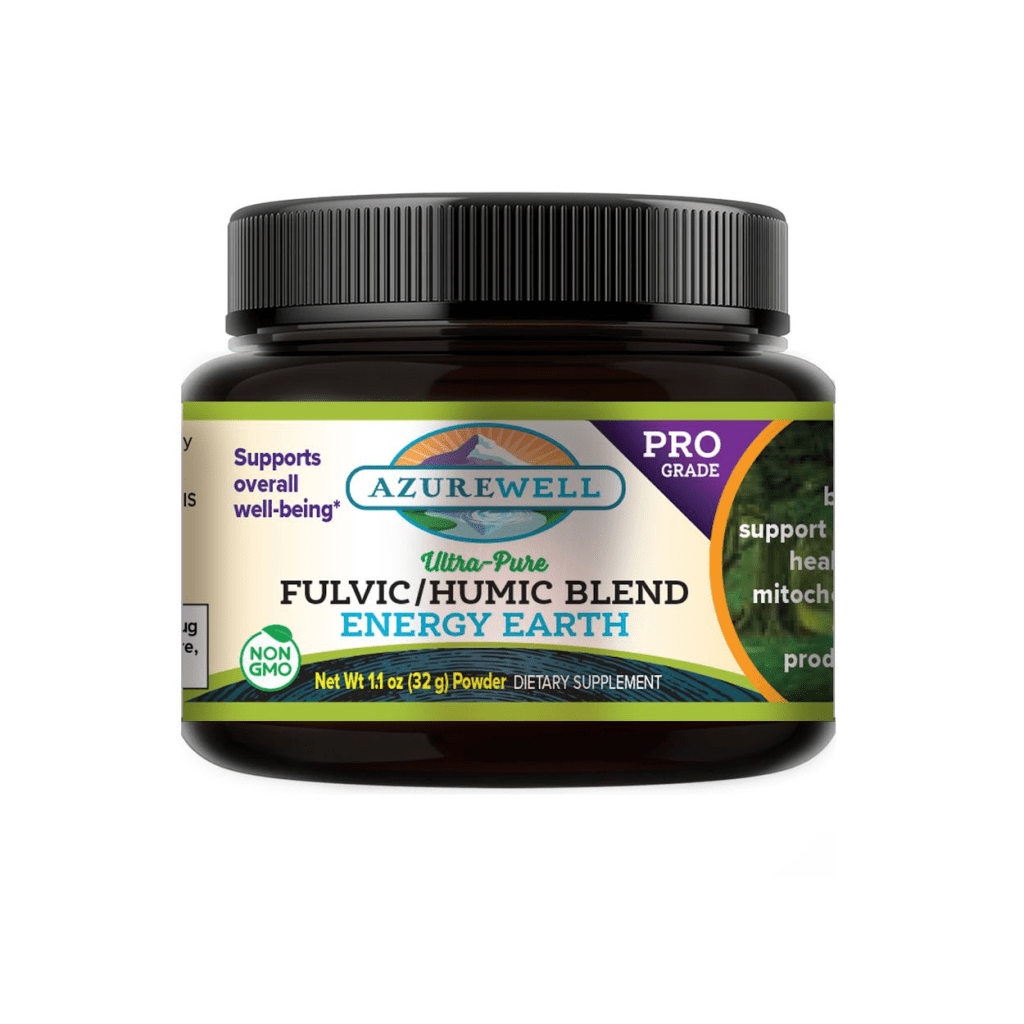
The blend of both of them combines the best of ancient Shilajit without the risks of heavy metals or inconsistent composition.

Why is this important?
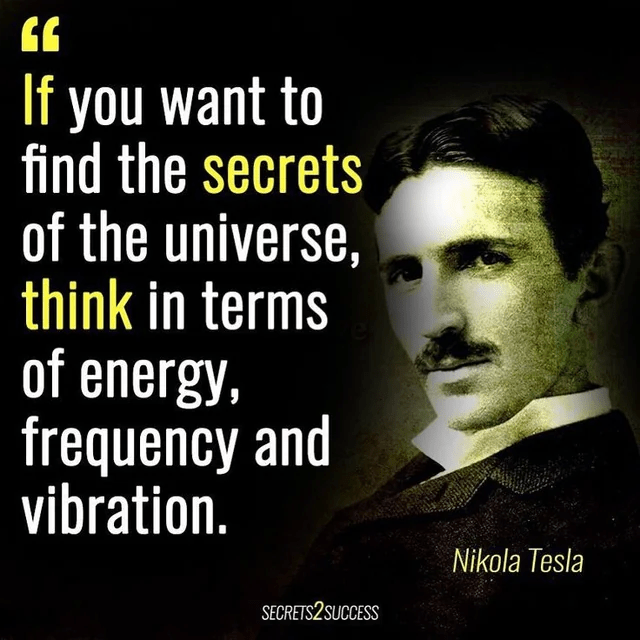
Minerals and water are required for carrying nutrients as well as the transmission of nerve impulses that drive healing. If you are utilizing any sort of frequency medicine such as magnets, sound therapy, homeopathy or phototherapy, proper hydration is essential to carry those frequencies to every cell of the body and speed healing on a deep level.

Fulvic and humic acid act as soil conditioners to amend the terrain of your body so that it is conducive to health and resistant to disease. Together with pure water and organic foods, your body will begin to shine with vibrant health. The biggest difference between our generation and our grandparents’ is the quality of food. When most people grew much of their own food, fulvic and humic acids were in and on the produce. Now that commercial farming is the norm, they are not in most of the foods where they should be. We need to add it in. And remember, supplements are just that – something that comes alongside an otherwise healthy diet to promote vibrant health.

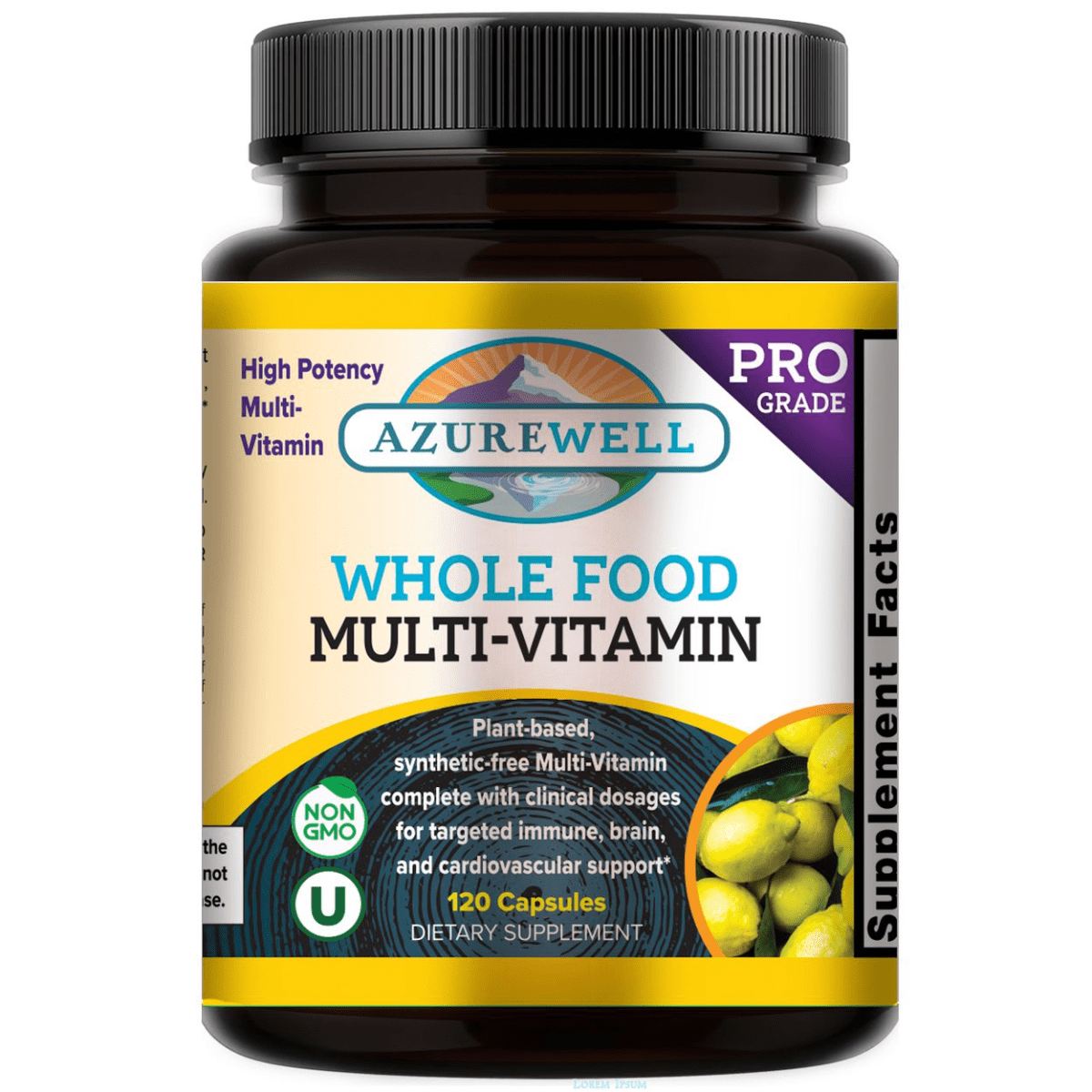
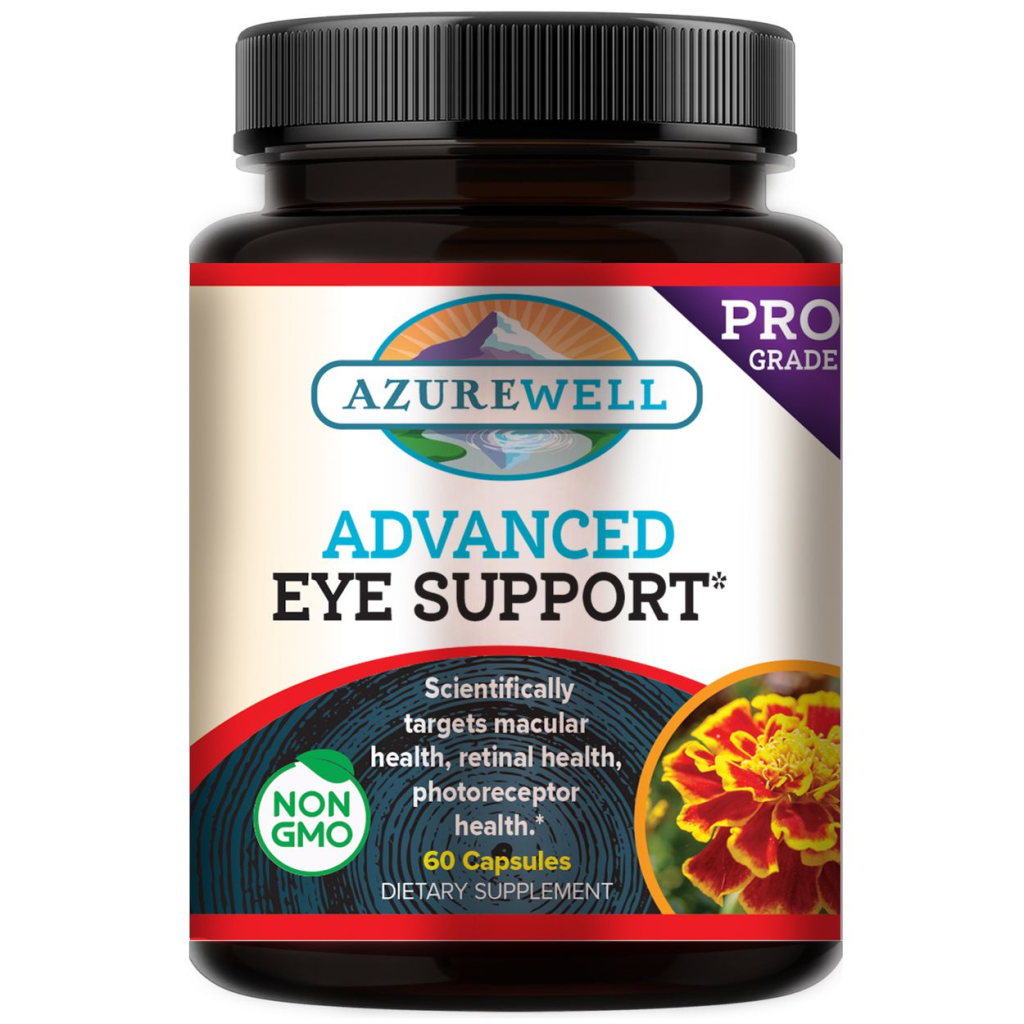
I recommend AzureWell supplements in my practice, as they align with my standards for safety and effectiveness at a reasonable price. Click on the picture to purchase – and use the promo code BEND10 for 10% off your first TWO purchases!
If you would like more information, or to connect with me for your health needs, go to https://www.brendaelvingnd.com/
Natural Light Therapy Patches: My Health Transformation

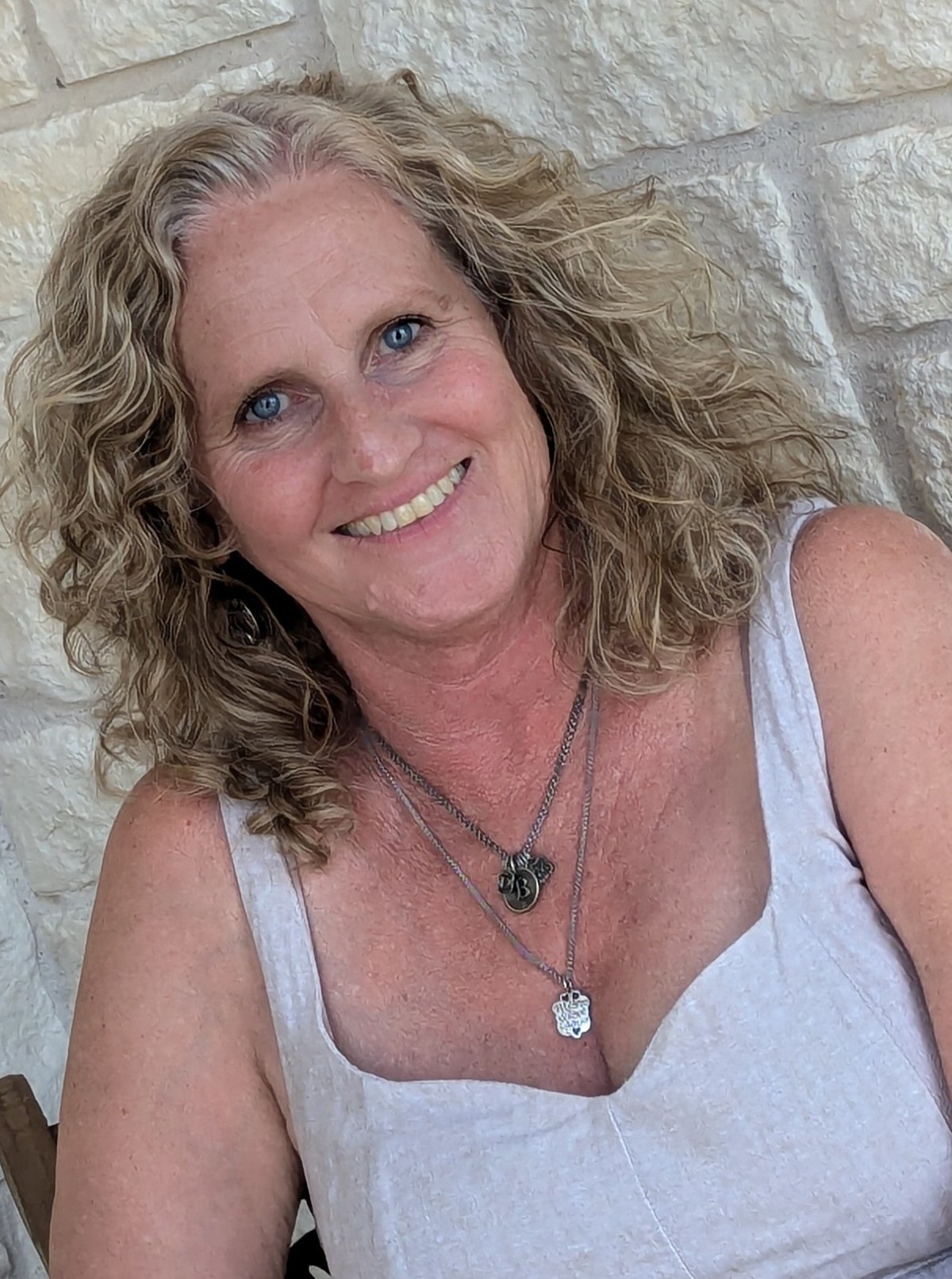
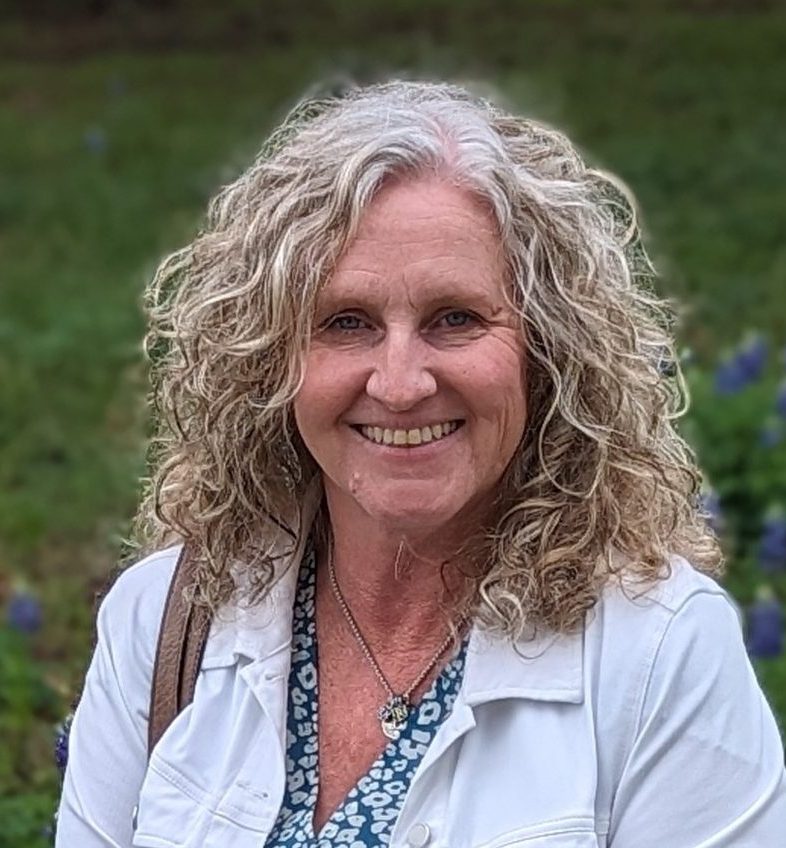
I thought I looked great on Easter morning. Until I took the second photo – 15 weeks later. I’ve always taken care of my health through nutrition, hydration, rest and exercise, but years and tears still caught up to me.

So when a colleague called to share results she was seeing from a new product I was intrigued. She is much more techie than me, so most of what she does doesn’t translate well into my practice. But she gets results, so I tried the little bandaid-like patches. I very quickly noticed better energy and focus during the day, with more restful sleep at night. I opened my own account.

My hair is noticeably thickening and my fingernails are growing strong and long again. I no longer wake at night with indigestion, unable to go back to sleep. If I wake, I take a sip of water and fall right back to sleep. I feel great every day.

According to the research I’ve been reading, these patches utilize a form of light therapy, similar to when you go into the sun and your body generates Vitamin D. Your body generates light naturally, and the patches reflect a specific wavelength of that light back into your body, which triggers an increase in production of copper peptides. Copper peptides are a major part of the natural healing process in your body. There are no chemicals or substances to absorb.

I don’t want to imply that these patches, worn 12 hours on/12 hours off, are the solution to everything. They are not. You still need proper food, water, sleep and movement to fuel basic health. With everything in place and balanced, you will begin to see and feel better health.

For more information, check out my website: https://www.brendaelvingnd.com/

Supplements: what’s the big deal?

If you’re looking for supplements, it’s crucial to choose ones made from whole foods without harmful additives. I recommend AzureWell’s products for their purity and real food ingredients. They undergo thorough testing, adhere to FDA regulations, and are free from harmful substances. You can use the code BEND10 for 10% off your first two orders.

A big part of my practice is nutrition, which includes supplements. Do you need supplements? Which ones? How do you know what’s right for your body, and what makes one supplement superior to another?

The best supplements are made from whole foods, compressed in such a way as to preserve the nutrition held in the plant without taking out anything that makes it nutritious. This isn’t as easy as it sounds. Often, the most expedient method to turn a plant into a supplement involves harsh chemicals, toxic solvents, and questionable stabilizers.

I cannot, in good conscience, recommend anything that doesn’t work or that I must detoxify back out. If it cannot be absorbed by the body or causes an imbalance of something else, it’s useless for my purposes. I want to provide your body with what it needs so that it can heal and thrive as soon as possible. I’m also acutely aware that what you cannot afford you’ll never take.

I use a lot of different products for targeted results. But I also like to have something that I can recommend for general wellness. These are products that become part of my personal daily routine. Late last year, I found a new product line that fit that bill beautifully. Meet AzureWell. They have products that nourish the body with real foods, devoid of harmful excipients.

But what excited about this brand was what’s not in it. Because I work with homeopathy, I must be aware of anything that might put an obstacle in the way of your healing. Obstacles include drugs, certain essential oils, and additives or excipients.

Excipients are substances, other ingredients, in products that some suppliers or manufacturers use to serve various purposes, such as stabilizing formulations, aiding absorption, or enhancing appearance and taste. Excipients are often overlooked and can significantly impact a product’s function, its absorption rate, and its overall effectiveness. Often times, questionable excipients are used to cut costs and expedite production. They can also cause static in the lines of communication in your body, which confounds energy transfer and proper healing. This is very important to acupuncturists and homeopaths.

AzureWell’s commitment to purity ranges across all their products, including skincare essentials, botanicals, and wellness items. AzureWell’s supplements undergo comprehensive testing, ensuring botanical identities and the absence of herbicides, pesticides, and other contaminants. They strictly adhere to FDA regulations and rigorously test for potential contaminants, such as heavy metals and residual solvents. They also steer clear of GMOs, radiation sterilization, and additives like magnesium stearate.

I am deeply committed to your health and well-being. When you choose AzureWell, you’re investing in your health and well-being. But another perk to this professional grade line of supplements is that it comes from Azure Standard, which means that you can one-stop-shop for all your organic foods and products.

If you’d like to see the difference the right product can make, use the Promo Code BEND10 to receive an extra 10% off your first TWO orders. That tells them I sent you!

This is my current favorite!

Do I need supplements? Vitamin B12

My daughter woke up one morning more exhausted than when she went to bed. She had no motivation, no light in her eyes, no color in her skin. She looked anemic, but I couldn’t figure why. She eats a varied diet and takes a green supplement daily. I couldn’t find anything wrong. I took her to my mentor. The best thing about having an experienced doctor/mentor is that the problem gets fixed and I get to learn. That’s an efficient appointment.

She was low on Vitamin B-12. A major component of many energy drinks, B-12 promotes energy production. Although often thought of as a nutrient that only vegetarians need to be concerned with, more doctors are finding deficiencies in people who eat meat. What’s up?

Absorption is key

 I soon found out that the iron my daughter in my daughter’s dinner steak was not being absorbed. Vitamin B-12 works together with folic acid to make red blood cells, which carry iron. If one or the other is lacking, there either aren’t enough blood cells to carry iron, or they develop in poor shapes which cannot carry the large iron molecule. Oxygen binds to the iron and is carried to all the cells. Without iron, oxygen can’t be carried; without oxygen, nothing in the body works. 

It seems simple enough. But why would an otherwise healthy 20 year old, who eats very well and takes her vitamins be anemic? Oatmeal for breakfast, lots of green tea, fruits and vegetables. Some meat at dinner with more veggies. She tends to run alkaline, which is supposed to be good for the body. 

Except that B-12 requires acid to separate it from the protein in which it comes. If stomach acid is insufficient, it may not be separated out during digestion. This can be an issue for the elderly, especially, who tend to have low amounts of hydrochloric acid in their digestive systems. People over 60 are most at risk for developing a B-12 deficiency. My daughter was outside the curve of normal, but had a mild case of megaloblastic anemia. Her symptoms of debilitating fatigue were just the beginning. It could’ve been worse. 

The neurologic symptoms of vitamin B12 deficiency include numbness and tingling of the hands and, more commonly, the feet; difficulty walking; memory loss; disorientation; and dementia with or without mood changes…. Tongue soreness, appetite loss, and constipation have also been associated with vitamin B12 deficiency. The origins of these symptoms are unclear, but they may be related to the stomach inflammation underlying some cases of vitamin B12 deficiency and to the progressive destruction of the lining of the stomach.  – Linus Pauling Institute

So, do I need this?

Vitamin B-12 deficiency is becoming more common. Studies of autoimmune diseases such as Hashimoto’s thyroiditis, are showing that many of them are related to a B-12 deficiency.  Vitamin B-12 is water soluble, which usually means the nutrient is carried out of the body just as fast as you can take it in. But in this case, the liver has the ability to store B-12 as needed, so you can reverse a deficiency quickly as your stores come up. The Linus Pauling Institute states that vitamin B-12 is not toxic, as it does not build up in the tissues.

The good news for my daughter was that, once I found what she needed, she was back up to normal by the next day. She doesn’t have to remember to take the supplement every day, because now that she’s aware of how her diet impacts how she feels, she is more intentional about what she eats.  And being intentional about what we eat is really how any of us stay healthy.

I proudly use and recommend AzureWell supplements for a whole-food, professional grade adjunct to your personal wellness plan. Type in BEND10 for 10% off your first TWO orders!

“One cannot think well, love well, sleep well, if one has not dined well.”

Virginia Woolf

A Wholistic Approach to Nutrition

(originally published by The Gaeta Institute for Michael Gaeta on December 8, 2022. These are his words.)

Naturopathy, chiropractic, Chinese medicine, Native American healing, Ayurvedic medicine – nearly all ancient or traditional medical systems are based on the principle of wholism. But what is wholism as it applies to nutrition? This is an important question for your practice.

Many years ago, I was practicing nutrition and bodywork therapy and acupuncture and Chinese herbal medicine and at the same time using nutraceutical-type supplements. But the herbs that had worked so well when I was in school weren’t helping in practice. I increased the dosages, re-evaluated, chose new formulas, and did all these things to try to recreate the herbal results that I saw in the school clinic, and nothing worked. It was really frustrating. I eventually discovered a difference between these synthetic, isolated, high-dose chemical supplements and what was available in terms of using whole food supplements. That was an awakening. I knew that giving patients chemicals at the same time as I was recommending a good diet and using plant medicines somehow wasn’t congruent. It didn’t line up. But at the time, I didn’t know there was any other option. As I began using food supplements in my practice, together with the Chinese herbal medicine, there was a dramatic improvement in the results I saw with patients. And another interesting thing: the complaints stopped. Those calls of “I have headaches, my stomach hurts and I have indigestion after I take them and I’m constipated, and..” All the side effects from taking chemical supplements mostly evaporated. Using whole food supplements was the consistent approach to nutrition I was looking for, which actually gave the results I expected.

There must be a shift in our understanding of health. The real questions of health are not questions of reductionism, which is how most clinical nutrition is practiced. The body is seen as a machine with replaceable parts that can be manipulated in various ways. It is essentially a container full of chemicals similar to a beaker in the chemistry lab. You have a particular chemical which is changed by the addition of another chemical. If you add one thing it fizzes, add something else and it turns blue. Add a different chemical and something else will happen. That’s the basic approach to nutrition today. The goal is to identify the disease and combat it. Undesired symptoms are suppressed with chemicals.

But healing is not a matter of chemistry, because a human being is not a lab beaker. Reductionism isolates what’s wrong, and then attacks that wrong thing. The opposite of this reductionist approach is wholism. Wholism supports what’s right. The wholistic approach to nutrition, the wholistic approach to health care in general, is not to diagnose and treat but to promote health, vitality and resiliency in the person. So we’re increasing what brings life. Wholism sees the body as a garden. The garden needs sunlight and fresh air and good nutrition to grow and to thrive. Wholistic nutrition augments that power that is already designed into the body because life is what heals.

The truly wholistic approach recognizes that the whole is greater than the sum of its parts. Just as the human body is not mechanistic, a food is more than its individual chemicals or components. We cannot improve on what life, or nature, creates. Nutritional integrity is applying the whole food or plant to the whole body, nature first and drugs last. As we approach nutrition and the body in this wholistic, integrated manner, the life and healing inherent in the body will manifest.

For more information about The Gaeta Institute and its programs, click the link below.

Seeking Truth

So many things on my mind in the midst of this global pandemic. I don’t mind staying home, because I’ve been a stay-at-home mom for several decades. Yet I find myself sometimes depressed, occasionally rolling my eyes, and often confused. The information and ordinances are designed to protect the public – but do they? Or are they false securities?  It seems nothing is clear anymore. I can’t trust my eyes because not everything that is visible is true.

I am troubled by the conflict of wanting to protect the people I know have underlying conditions that might put them at greater risk for this disease, and being forced to stay home to stop the spread to anyone. The social distancing rules assume that every person is a threat – and is at risk for dying – subjecting everyone to the stresses of isolation and fear. Stress is a huge strain on the immune system, which we need now more than ever. And not everyone is at risk of dying. Most are not a threat..

I have spent years studying and implementing health strategies for my family that have made our immune systems strong. In those same years, I’ve watched others live recklessly, and succumb to predictable lifestyle diseases. I am forced to stay home so both of us stay well, even though what would be a bump in my family’s road would tip my neighbor’s already foundering boat. I know that sounds prideful. But proper education, nutrition and supplements for my family prevent many expensive medical repairs.

The basis for health is in the terrain of the body itself. If your body is strong, insults don’t bother it. But if your body is weak and ill-prepared for war, any insult, bacteria or virus will topple it. A drug may kill the virus, but not necessarily save you. War isn’t a third party affair, with foreign invader and foreign solution fighting on the soil of your tissues. You are involved and have a stake in the outcome. It’s you that is ravaged whether you are fighting or not. Your personal strength and willingness to harbor any invasive substance make the difference in how much foothold the attacker gains on your soil. I prefer to build strength from within, so no pathogen finds my body hospitable to even set up camp.

There are so many unknowns. Like all of life. I am reminded that my own bathroom is statistically the most dangerous place I can be. It doesn’t stop me from going there, and I don’t have safety nets rigged for potential falls, or a lifeguard in case I drown or scald myself. I just shower and relieve myself with abandon.

I recognize that others have fears I don’t share, and it’s incredibly hard to find solid information. It’s difficult to know what’s true when the experts disagree. When I was studying for my doctorate three years ago, much of my research was done online. Historical remedies and records are no longer available on common search engines, but are officially debunked as non-scientific hearsay. I have trouble accepting that something that worked for an entire population, like Ayurvedic medicine or homeopathy, is suddenly non-scientific. How do we explain the observations that brought these systems into place? The scientific provings behind homeopathy are vast and well documented. It only makes sense that these systems would be maligned if competing interests were more profitable. Teaching proper nutrition and wellness practices – something the government went to great lengths to do in the early to mid-1900’s, teaching rural housewives about proper nutrition and how to safely can food to prevent botulism – was a major boon to our national health. Information on sterilization and proper temperatures was crucial to preventing disease and disseminated freely. Many of our home remedies were developed in a time when doctors were scarce and people were assumed to be capable. It’s tragic when disease outstrips the capabilities of the current system, we no longer have the information available and must re-instruct people in basic handwashing. Our people have been duped into thinking that technology is their savior and that they cannot do for themselves.

Life is from God alone. We do not choose to come into this world, nor how we will leave. This body is a gift. All we can do is respect it as the most precious gift anyone will ever receive and use it according to its purpose. Stowing it away in a safe place wastes it, and filling it full of junk spoils it. We need to maintain it as if our life depended on high quality fuels and use it as a daily driver for bringing goodness and light into others around us.

In a world without the knowledge that God alone controls life and death, security against all threats is a fleeting goal. Legislation and technology can never prevent illness, injury or death. Subjecting every person to the lowest common denominator of wellness, as if, in protecting the weakest, all will be safe, isn’t the best use of our resources. Aren’t the weak safer when the strong protect and provide? Who determines what comprises health, or wisdom? Who is our protector? Does that protector have my best interests at heart? – or its own?

We have our eyes in the wrong place. We are so frightened by the giants in front of us that we forget the God who has carried us through much worse. The problem isn’t our neighbor; it is our own fear, and trusting in the world’s props to save us.

We can know God, the author of life, and we don’t have to fear death. It isn’t the final word. Disease may strike us, because it is a consequence of the Fall, but Christ has conquered the sin that brought death to our doors.

“if my people who are called by my name humble themselves, and pray and seek my face and turn from their wicked ways, then I will hear from heaven and will forgive their sin and heal their land.”

2 Chronicles 7:14

Ask, and it will be given to you; seek, and you will find; knock, and it will be opened to you.

Matthew 7:7

How Can I Boost Metabolism?

I know most people asking this question are hitting the end of their willpower for their weight loss goals and just want to see some progress. How can they turn up the heat on this fat so it will go away? I hear the frustration loud and clear. We all want to drink another cup of coffee and watch our waistlines melt. It’s just not that simple.

Metabolism is, fundamentally, the rate at which you convert food into energy.

This does not mean calories in = calories out. Far from it. A calorie burned in the lab is a unit used for measurement; a calorie in your food is information that your body uses based on its needs. That calorie could fuel your labors, heal an injury, carry out a larger load of trash, or even build some new muscle. The goal is to achieve efficiency in bodily function, to make sure that every bit of fuel is used productively.

It would seem, especially with all the talk about keto dieting, that excess fat would translate into excess energy. It makes sense that finding the burn switch would be the simplest way to use all that storage. But not everything we take in, or store, is useful.

Author’s photo

I live in the country, where garbage is reduced, reused or burned. If I’ve been inefficient with the first two R’s, my burning will be, to a certain extent, useless. There’s too much in my pile that won’t burn. It’s obvious to the neighbors that I didn’t grow up here because I still have so much to learn. My burn bin is full of charred cans and bottles. They will have to be taken away because they are not fuel for fire. Interestingly, the litter from my daughter’s rodent cage should be pure flammability: just dirty wood shavings and shredded cotton. But it is damp, and packed tightly into a bag for disposal. It remains after burning because the fire can’t stay lit long enough to actually use it. There’s too much junk.

Likewise, much of what is sold as food in our stores is either not actual food, or is difficult to use because of how it’s been treated. Many so-called foods have been devised in a laboratory or processed into oblivion, and there is no energy present to convert. In order for food to be truly considered food, it must have some life within it. Truly life-giving foods are never stagnant. They will not wait on a shelf until needed.

If we want our bodies to work well, we must provide fuel with actual life in it. Vital foods provide energy and building blocks for new cells, so more gets accomplished. If too much non-fuel comes on board, less gets done as more work is required to sort food from trash. Junk will not burn. Quality foods strengthen the body to sort what is not useful out and sweep it to the curb.

What’s the bottom line?

-Be intentional about what you do. Eat quality foods and devote time to sleep. But don’t do a major overhaul overnight. Your body needs to prepare for a different style of working. A proper approach to achieving efficiency in the body is to recognize that your body is unique. There is no ideal diet that works for everyone. You must start where you are, and begin to make good choices based on your needs, tastes and abilities. If you don’t like meat, don’t think you have to eat it. Give your body some security, so it knows that it will have what it needs when it needs it. Pushing yourself too hard to do something unfamiliar triggers hormones that effectively stop digestion and fat burning. Give the body what it needs, and it will begin to handle things properly. Know that it will take time – no truly good thing happens overnight. You are building a new body.

-Choose fresh foods over frozen ones, and frozen over canned. Fresh foods have enzymes that assist the body with assimilation. The more of these you can get, the healthier you’ll be. Cook vegetables gently, to where the color is bright. If a vegetable looks dull, it’s lost a lot of the valuable nutrition that your body could put to use righting wrongs. Canned food is ok, but it’s designed for storage, not ideal health. If you’re trying to declutter, more storage foods aren’t the solution. The same goes for boxed “foods.”

-Sleep well. The fastest way to create havoc in the digestive process is messing with the sleep cycle. But the reverse is also true: poor digestion often disturbs sleep. Sleep is when your body does repair work and takes trash to the curb. Just like in the kitchen, when your body runs short on time, trash is pushed aside until there are more resources to deal with it. Give your body time to do maintenance and take out the trash. Stop eating 3 hours before bedtime and don’t rush for breakfast in the morning so your body has uninterrupted time to do its work. Aim for 12 – 16 hours between dinner and breakfast so that your body can rest and restore its systems. If you do shift work, take time to nurture yourself on your days off.

-Fats are necessary to burn fat. Don’t buy into the line that all fat is bad. Margarine is cheap for a reason. Real foods contain real life, and they will break down and expire. If it won’t go bad, know that it will become part of that unburned pile of garbage over your hips. If you don’t like fish oil or butter, don’t eat it. But opt for coconut oil over shortening, and olive oil over generic vegetable oils. Vegetable and corn oils are added to cattle feeds to fatten them. Don’t think they won’t do the same to you.

Metabolism is more than burning fat faster. It’s about the efficient use of whole foods to build wellness. As fewer non-fuels are consumed, the body is enabled to begin taking care of useless debris that has collected.

Fasting, whole foods and being a work in progress

I came down sick over the weekend. It was fairly obviously something I’d eaten, but that wasn’t so easy to track down. Two lovely ladies, out of the goodness of their hearts, had offered to cook for me, giving me two days off of meal responsibilities. What a blessing!! Everything was delicious, but my stomach was not happy and I wasn’t willing to insult it further. So I took advantage of almost my entire family having other places to be and extended that vacation two more days. I got better. I pondered the nature of disease and recovery, and noted that I had no sign of bacteria or virus, and no medications were involved in healing. As is so often the case, it was all food that made the difference.

Fasting has become a hot topic as the global obesity rates continue to rise and impact chronic disease rates. The assumption is that, if people are overweight, then they must be eating too much. Complete fasting, or at least limiting food intake to a shorter window of time each day, is seen as the long-lost key to perfect health. I wish it were that simple. If there were a magic bullet of health, a fountain of youth we just had to drink from, this wouldn’t be a worldwide issue.

According to Dr. Jason Fung, the de facto expert on fasting, many chronic diseases can be reversed by stopping eating. Giving our body a chance to process what we’ve taken in each day allows us to better utilize the next day’s portions. Cycling food and rest, which promotes assimilation, is the biggest secret to health. I fully agree.

But there’s a simple point I want to make. Most modern diseases are caused by nutritional deficiencies – malnutrition. Not enough good quality food. Merely cutting back what you eat without changing what you eat isn’t going to solve the problem of poor health.

Many years ago (over 100, as I see it), food was made from whole ingredients: ground grains, fresh butter and milk, grass fed meats and locally grown vegetables. Processing was initially instituted to remove molds on grains, which made for a safer product. As processing improved and became more widespread, glaring deficiency diseases appeared. The government decided to replace the lost nutrients in flour, and Vitamins B1, B2, B3, and B9, along with iron and sometimes calcium, were added back in. But let’s look at what really happened. A grain of wheat, when refined, has the outer 2/3 removed. This includes all the fiber and B vitamins, about 17 nutrients in all. All that’s left is the starch and most (not all) of the original protein. Then the denuded grain is “enriched” with five, maybe six, synthetic replicas of what was taken out. That’s hardly what most people think enrichment means. And, as nutrition expert Sally Fallon explains, digesting enriched flour requires more B vitamins from your body than it gave you. That’s not how eating is supposed to work.

According to some estimates, refined white flour in bread, pasta and cookies makes up about 1/5 of the American diet. Think about that a second: if 20% of what I eat depletes my body of more nutrients than it gives, then ceasing to eat those foods may cut the depletion, but I’m still hungry. I’m still not getting what I need. More to the point: if a good proportion of the diet does nothing more than promote malnutrition, then cutting back isn’t solving the problem. There’s still not enough nutrition to produce health.

Fasting, in any form, is a good rest from a basically whole diet. But most of us grew up on the standard American junk food diet, which we’ve already seen doesn’t sustain us well. A better solution than trying to cut out the bad stuff (a losing proposition, in my mind) is switching to whole foods. Freshly prepared ingredients from the farmer’s market provide more nutrients and fill you up faster, for longer. You may actually eat less because non-processed food contains all the necessary fiber, vitamins and cofactors required to synthesize them. Your body is satisfied because it has what it needs and doesn’t have to waste resources on detoxifying chemistry experiments disguised as dinner.

Know that this doesn’t happen immediately. If you’ve ever had a plate of brown rice after growing up on Minute rice, you know what I’m talking about. The flavors are different. You may have to mix the two for a couple weeks to start adjusting. (My poor mother was not happy after I proudly served her whole grain everything for a weekend. It tasted good, but later – !!! Lessons learned.) We’re all works in progress, and fast food is a fact of life. Just do the best you can with the meal in front of you – add more veggies and opt for real foods over processed as much as possible. Don’t sweat the poor choices and celebrate the good ones, especially as they add up. Don’t judge your progress by a particular meal, but how the meals add up. What does your diet over the entire week look like? Are there more leafy greens and water, or french toast and soda?

Turning our diet around is the key to health. I’m not arguing that you move to Pennsylvania and buy a plow and a Morgan. Whole foods are still obtainable in your grocery store – you just have to stay out of the middle aisles. Learn to cook, if you don’t know how. Cooking videos on YouTube are a great way to learn and be inspired to try new foods.

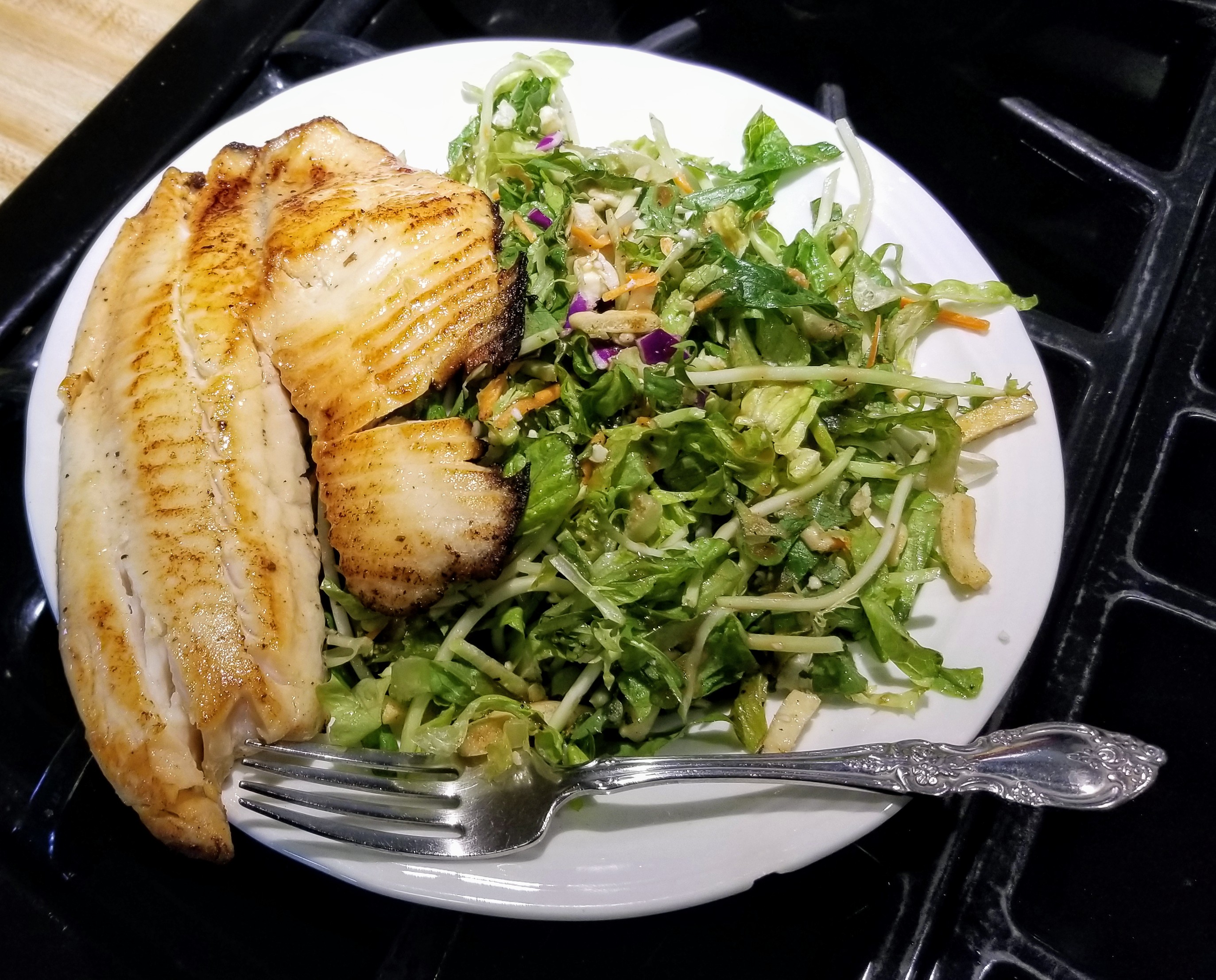
Greek salad with balsamic rubbed tilapia

Have questions about how to turn your diet around? Comment below and I’ll do my best to help you tailor your diet to your needs.

Histamine Intolerance?

I’m starting to see some talk about Histamine Intolerance. The list of symptoms is long and vague, most doctors don’t recognize it, and standard tests don’t conclusively diagnose it, but the people who are suffering from it are really suffering. What is it? And what can you do if you suspect it?

Officially, histamine intolerance is an imbalance of histamine in the body with an inability to break down excess. Many of the symptoms are classic allergy indicators, but they don’t point to one specific trigger. The diagnosis rests on many symptoms together, and because there is no test to definitively determine it, most patients are self-diagnosed.

Histamines are hormones that are part of the body’s defense system, breaking down food, alerting the body to invaders, and beginning the inflammatory response that deactivates biological malware of many types. They are part of many different functions in the body from a runny nose to vascular dilation to the sleep-wake cycle. Histamines are naturally occurring and part of a healthy immune system. Until it’s not so healthy anymore.

Histamine reactions could look like an allergy (breaking out in hives or stopping breathing) or food intolerance (inflammation or gastric disturbance which shows up several hours or days later). Sensitivities to other things besides food (pollen, medications or mold in your home) can also trigger histamine reactions and symptoms could show up, change, compound, or abate with absolutely no apparent cause. The compounding of triggers is where things get rough: multiple small things that don’t cause a problem on their own can pile up on each other and cause fatigue, high or low blood pressure, or dizziness, among a host of symptoms the body has to choose from. The mix of ingredients with your personal makeup determines the outcome. So how do you determine the difference between compounded sensitivities and an overload of histamine itself?

By the time most people reach their 40’s or 50’s, the buildup of toxic substances in their bodies slows down the normally efficient response to invaders. In a world of plastics, electromagnetic fields, and GMO-laden foods, it doesn’t take much more to tip the boat. Every toxic ingredient the body takes in disrupts the internal workings of each cell, in addition to the bodily system as a whole. With histamine intolerance, the thought is that eating certain foods that contain histamines overwhelms your already overtaxed body. It’s a valid hypothesis that German researchers have been studying for several years.

But at the point of being unable to eat without discomfort, sleep through the night, or make it through the week without a headache – you need answers, not theories.

You must determine the cause. One way that’s often recommended is an elimination diet. While I’ve done this, and it can be very informative, I do not recommend it without medical supervision. In someone who is severely affected, many reactions may be suppressed by the sheer overload of stored and incoming toxins. By eliminating the influx and giving the body’s defense systems a rest, you allow the body to release the toxicity – causing an overload of the body’s processing systems, which can turn into a very severe allergic reaction or even anaphylactic shock. Better to keep a food journal to help locate triggers. As each suspicious food comes to light, eliminate it for two weeks and then re-introduce it to see what it does. This can be a frustrating time of waiting and hoping on answers.

And, according to a 2017 German study of histamine intolerance, only half of the adults who addressed their symptoms with dietary changes made a difference. Determining which foods to avoid apparently isn’t a solution for everyone.

The source of the problem needs to be found conclusively. Skin prick tests can be very expensive if you don’t have a clue what’s causing the problem – and they are inaccurate for food sensitivities. Better is the ELISA test that measures every reaction in your blood. While this is also a bit costly, the tests and resources through PerQue are more likely to be covered by insurance plans and available through conventional MDs. For a less expensive and non-invasive option, many chiropractors, naturopaths and nutritionists use Nutrition Response Testing or Applied Kinesiology to analyze the body for underlying causes of poor health and pinpoint precisely what the body needs to start the healing process. There is no guesswork involved, and the healing can begin before you ever leave the office.

Essentially, with anything systemic like histamine intolerance, chronic fatigue, or fibromyalgia, you won’t find your diagnosis on your own. A natural health practitioner using in-office diagnostics can sort out the body’s cries for help and respond immediately to your unique needs, so your healing can be much more targeted and effective.

I pray that this information can help you to heal and get back to your normal, productive life quickly. Also, if you have other suggestions or experiences, please comment them below – I’d love to know what’s worked for others!

Health: More than just food & exercise

When we think of health, we often think of food and exercise. If both are perfect, then I’ll be healthy – right? But it’s just not that simple. Food and exercise are the best places to start for most people, but often other factors will make the difference.

True wellness is a lifestyle. Many wellness advocates now teach that there are seven factors to complete health: physical, intellectual, emotional, spiritual, financial, social and environmental. Each piece hinges on and impacts the others.

Physical. This is what we first think of as health: the absence of injury and the presence of every proper function. I remember two boys when I was in high school who’d both lost the use of their legs in accidents, who switched gears and became athletes, accomplishing more in their handicaps than they ever had before. It made me rethink my definition of health and wholeness. Physical health is using what you have to the best of your ability. It is also caring for the seemingly lesser parts of you so that they can continue being the unseen necessity (because your pancreas may seem insignificant until it doesn’t work.) This means watching your food intake and your exercise output, and being intentional about what you do with your vessel.

Intellectual. This is making sure your mind is stimulated, that you are learning new things and using your mind productively. It usually has to do with your career path, and making sure that you aren’t allowing your knowledge base to stagnate. Keeping your mind healthy also means that you aren’t allowing negative voices (your own or others’) to stifle your efforts toward productivity.

Emotional. Are you solid? Or do you fall asleep too many nights worrying? Emotional health impacts your nervous system, your bodily pH, and the strength of your immune system. Love heals a multitude of ills. Depression affects your sleep and eating habits, most notably, and other aspects of overall health, which then impacts your physical health and contribution to society. Anything that takes you down emotionally literally drains your life. Alternatively, anything that feeds your soul really does build you up.

Spiritual. This is where you stand with your god. Either you follow your own god or you follow the one God. Whatever you choose, this will govern your worldview and priorities. Are you living according to what you believe? If there is discord here – like when I professed to be a Christian during college, I was doing Campus Crusade rallies on Tuesday and frat parties on Thursday – I couldn’t stand myself. Your body is a sensible organism, taking cues from all sources and deriving balance and health from every input. With contradictory inputs, health suffers. Choose your way and ensure that all of your beliefs and actions are in accord with one another.

Financial. If you don’t have enough money to get by, you cannot eat well or sleep in security. The worries of daily necessities will overwhelm your best intentions, if you even have the energy for good intentions. You’re more likely just trying to make ends come together. Your financial health can make or break the best health regime.

Social. Do you have people who care about you, who will be there if you have a flat tire or a birth to celebrate? Loneliness is a disease of epidemic proportions in our media-saturated world. Although it hinges on the mental and emotional factors, it has more to do with the support structure of your safety net. We were designed for communication, with language and a need to love and be loved, face to face. Social contact helps us to know that we exist, and that we matter. It is a foundational need. This is also where the need to give back, be productive and make a positive difference in our world comes into play. A peaceful, interworking internal environment is a reflection of a strong, solid external network.

Environmental. This is our world. If the skies or soils are full of poison, nobody is healthy. I live in Central Texas, where seasons are determined by which tree is debilitating the population. If the world outside (or inside your house) isn’t conducive to being well, our bodily systems are completely occupied with maintaining homeostasis. The slightest bacteria or virus, when the body is already drowning in toxins, can become the final straw. Clean air and pure water are the baseline from which we derive vitality in all other areas.

True health comes from taking care of what matters. Making sure that you are fed and clothed well enough to do what you love for people who matter. It means doing what is right when nobody sees. It’s being able to look yourself in the mirror and achieving your purpose in life. It’s finding the road of life to be rough and long and desolate and finishing well anyway. True health is looking at the endgame and doing what needs done today to reach it.

Do the best you can with what you have today.

It’s all you have to work with.